

Top 6 Common Rooftop HVAC Repairs and How to Prevent Them
Commercial buildings rely heavily on rooftop units to maintain a comfortable indoor environment for employees and customers. Because these systems are situated out of sight and exposed to the elements, they face unique challenges that indoor units simply do not encounter. Ignoring the health of these units can lead to sudden shutdowns during extreme weather, causing significant disruption to business operations. Understanding the most frequent issues and implementing a proactive strategy is the best way to avoid expensive rooftop HVAC repairs.
The importance of skilled maintenance is also reflected in the broader economy. According to the Bureau of Labor Statistics, we can expect a 15% increase in jobs in the HVAC sector by 2026. This growth underscores the increasing complexity and vital nature of climate control systems in our modern infrastructure.
1. Cleaning Dirty Condenser Coils
One of the most frequent causes for emergency rooftop HVAC repairs is the accumulation of dirt and debris on the condenser coils. Since these units reside on the roof, they are constant targets for windblown dust, pollen, and leaves. When a thick layer of grime coats the coils, it acts as an insulator, preventing the system from effectively releasing heat into the outside air. This forces the compressor to work much harder and run longer to achieve the same cooling effect.
To prevent this issue, facilities should schedule professional coil cleanings twice a year. Maintaining clean coils reduces the strain on the entire system and prevents the compressor from overheating. A system that can breathe properly is much more energy-efficient and far less likely to suffer from a catastrophic motor failure. Regular visual inspections between professional visits can also help identify when debris has started to build up to a dangerous level.
2. Replacing Worn Drive Belts
Many rooftop units utilize a belt-driven blower motor to circulate air throughout the building. Over time, these belts are subjected to extreme temperature fluctuations and constant mechanical tension, leading to cracking, fraying, or stretching. A slipping belt will cause a noticeable drop in airflow and may produce a high-pitched squealing sound. If a belt snaps completely, the system will cease to move air, which can lead to the evaporator coils freezing or the heat exchanger overheating.
Implementing a routine belt replacement schedule is a simple way to avoid these rooftop HVAC repairs. Technicians should check the tension and alignment of the belts during every maintenance visit. Replacing a belt before it fails is a minor expense compared to the cost of repairing the damage caused by a sudden system halt. Ensuring that the pulleys are properly lubricated and aligned further extends the life of these critical components.
3. Sealing Dangerous Refrigerant Leaks
Refrigerant is the lifeblood of any cooling system, but it is contained within a closed loop that should never need "topping off" under normal circumstances. However, vibrations from the unit's operation and exposure to the weather can cause copper lines to develop tiny cracks. When refrigerant levels drop, the unit loses its ability to remove heat from the building, often leading to inconsistent temperatures and high utility bills. Low pressure can also cause the compressor to fail, resulting in some of the most expensive rooftop HVAC repairs a business can face.
The best prevention for refrigerant issues is regular pressure testing and leak detection. If a leak is suspected, a certified technician must find the source, seal it, and recharge the system to the manufacturer's exact specifications. Keeping the unit's panels securely fastened helps minimize the vibrations that lead to line wear.
4. Fixing Faulty Electrical Components
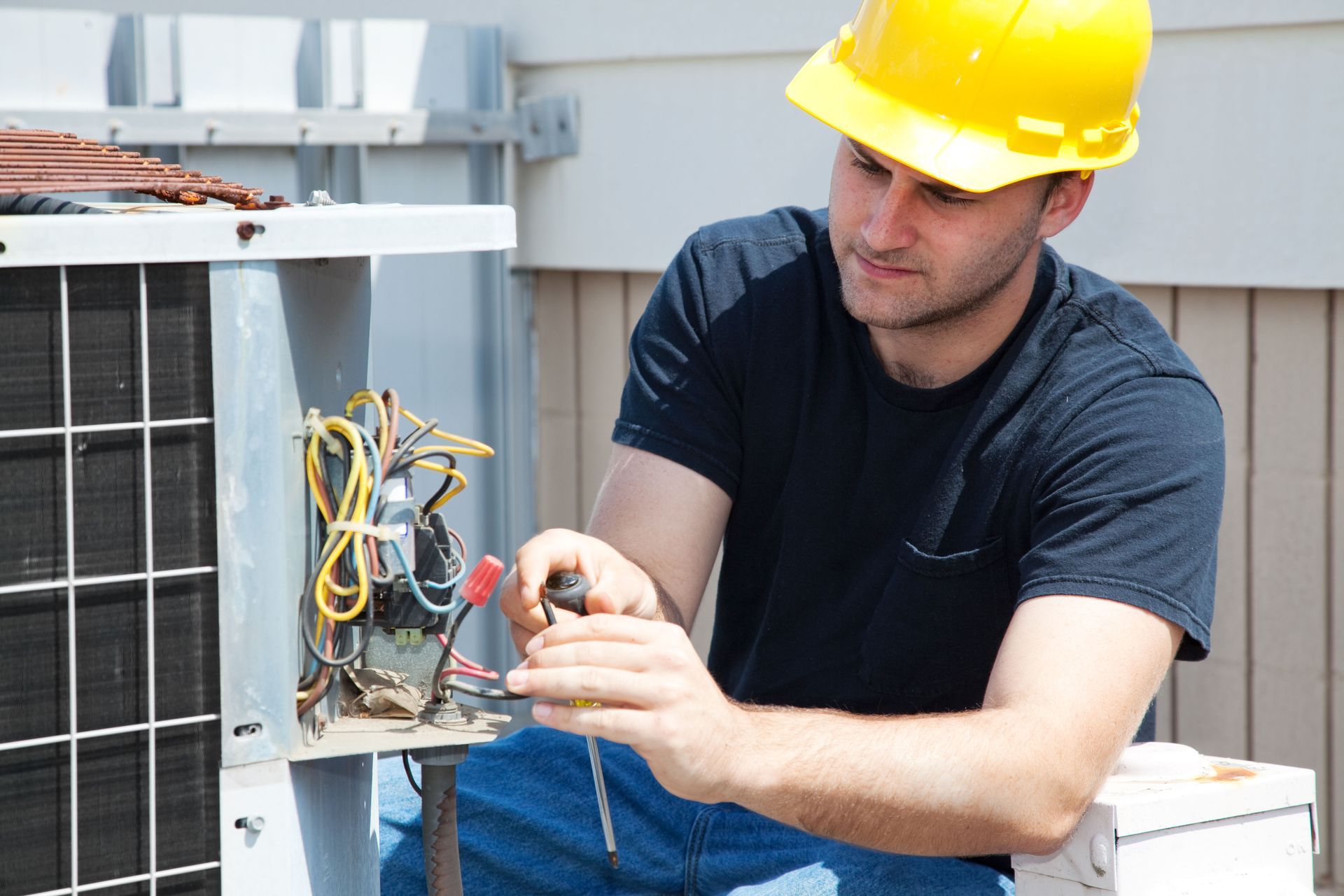
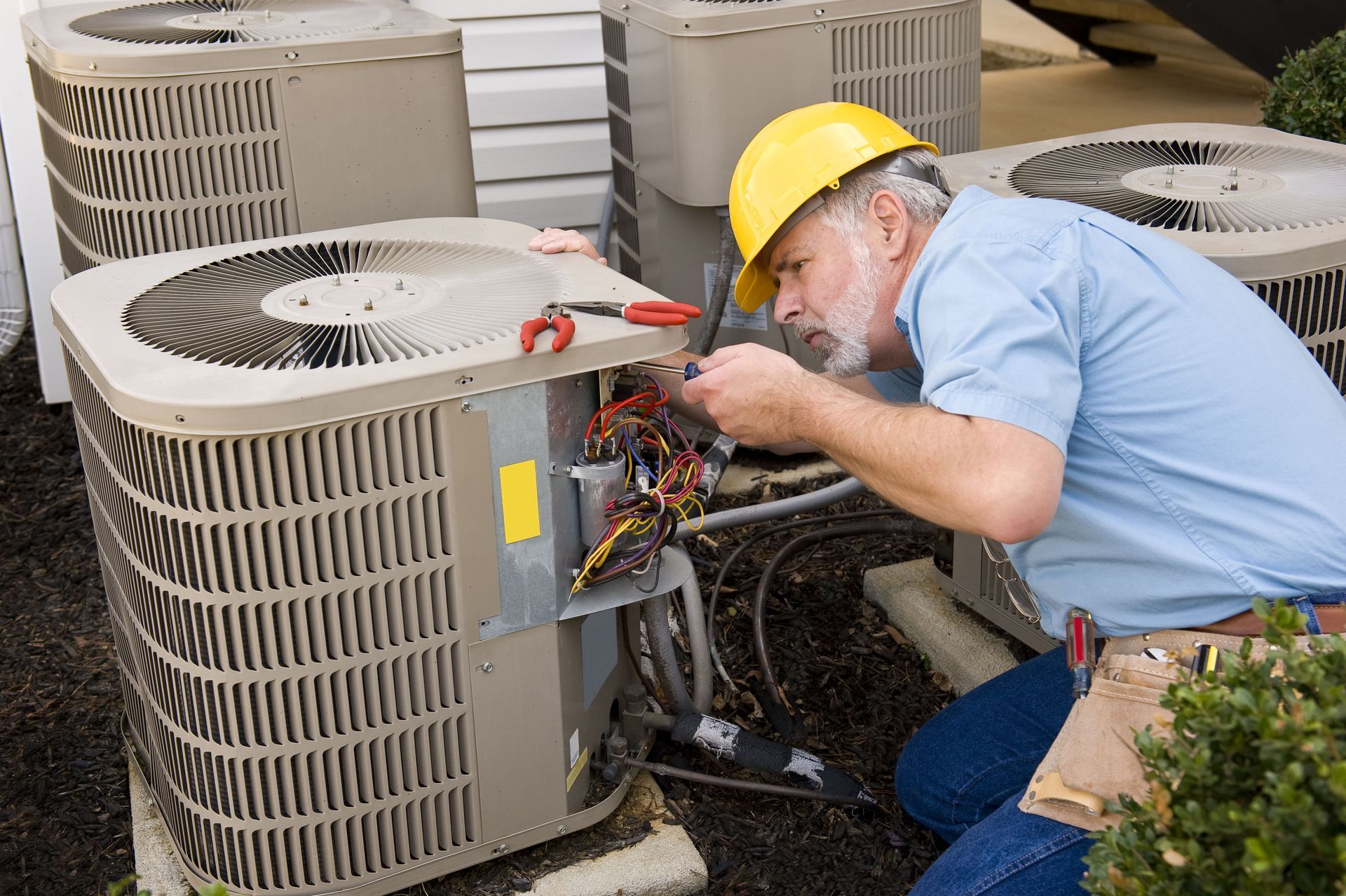
Rooftop units are packed with complex electrical connections, contactors, and capacitors that must withstand the rigors of outdoor life. Moisture infiltration and power surges are common culprits that lead to electrical failure. A worn-out contactor can prevent a motor from starting, while a failing capacitor may stop the compressor from getting the initial boost of energy it needs to run. These issues often manifest as "tripped" circuit breakers or a system that hums but refuses to blow air.
Preventing electrical rooftop HVAC repairs involves tightening loose connections and inspecting components for signs of pitting or charring. Installing high-quality surge protection can safeguard sensitive control boards from the erratic power fluctuations often found in commercial areas.
5. Clearing Blocked Condensate Drains
As your HVAC unit cools the air, it also removes humidity, which turns into liquid water known as condensate. This water is supposed to flow through a drain line and away from the unit. However, algae, dust, and insects can easily clog these lines. On a rooftop, a blocked drain can lead to water backing up into the unit's base pan. If the pan overflows, water can seep into the building’s roofing material or even leak through the ceiling into the workspace below.
Routine flushing of the drain lines with a mild cleaning solution can prevent the growth of algae and slime. Technicians should also ensure that the drain pan is pitched correctly so that water flows toward the exit. Since water damage can be incredibly costly and lead to mold growth, keeping these lines clear is one of the most effective ways to avoid secondary rooftop HVAC repairs. A simple trap or float switch can also be installed to shut the system down if a backup is detected, providing an extra layer of protection.
6. Calibrating Misaligned Economizer Dampers
Many modern rooftop units are equipped with economizers that bring in fresh outdoor air when temperatures are mild, reducing the need for mechanical cooling. These systems rely on dampers and sensors to operate correctly. If the dampers become stuck or the sensors drift out of calibration, the unit may pull in too much hot air in the summer or too much cold air in the winter. This inefficiency forces the system to work overtime and can lead to a host of other rooftop HVAC repairs related to overwork and premature wear.
Preventive maintenance for economizers involves lubricating the moving damper parts and testing the sensors for accuracy. Ensuring that the dampers can open and close fully allows the building to take advantage of "free cooling" whenever possible. A well-calibrated economizer not only reduces the strain on the compressor but also significantly improves the indoor air quality by ensuring a steady flow of fresh air. Regular testing of the control sequences ensures that the system is making the smartest energy choices for your building.
Managing a commercial property comes with a long list of responsibilities, and maintaining the rooftop HVAC system should always be near the top. While these units are designed to be rugged, they are not invincible. The most common rooftop HVAC repairs — from dirty coils to electrical failures — are almost entirely preventable through a commitment to regular, professional maintenance.
A proactive approach does more than just prevent breakdowns; it ensures your building remains an efficient and comfortable place to do business. Investing in your HVAC system today saves you from the emergency costs and operational downtime of tomorrow. Remember that your rooftop unit is a significant capital asset, and treating it with care is the best way to maximize your return on that investment.
For expert assistance in keeping your commercial systems running at peak performance, trust the professionals at Supreme Heating & Air Conditioning. Our dedicated team has the experience and specialized tools needed to handle everything from routine inspections to complex mechanical overhauls. Contact us today to develop a customized maintenance plan that protects your facility and keeps your indoor climate perfect, no matter what the weather looks like on the roof.

Share On: