

6 HVAC Repairs That Could Save You Money in the Long Run
Homeowners often overlook how much timely HVAC repairs contribute to long-term savings and system reliability. A well-maintained system not only protects comfort but also reduces unnecessary costs that result from wear, aging components, and avoidable malfunctions. Addressing issues early, improving efficiency, and investing in thoughtful upgrades all help prevent major breakdowns that could strain your budget. By taking a proactive approach and treating your HVAC system as an essential part of your home’s financial strategy, you can enjoy a more dependable, cost-efficient setup for years to come.
1. Perform Regular Maintenance and Tune-Ups
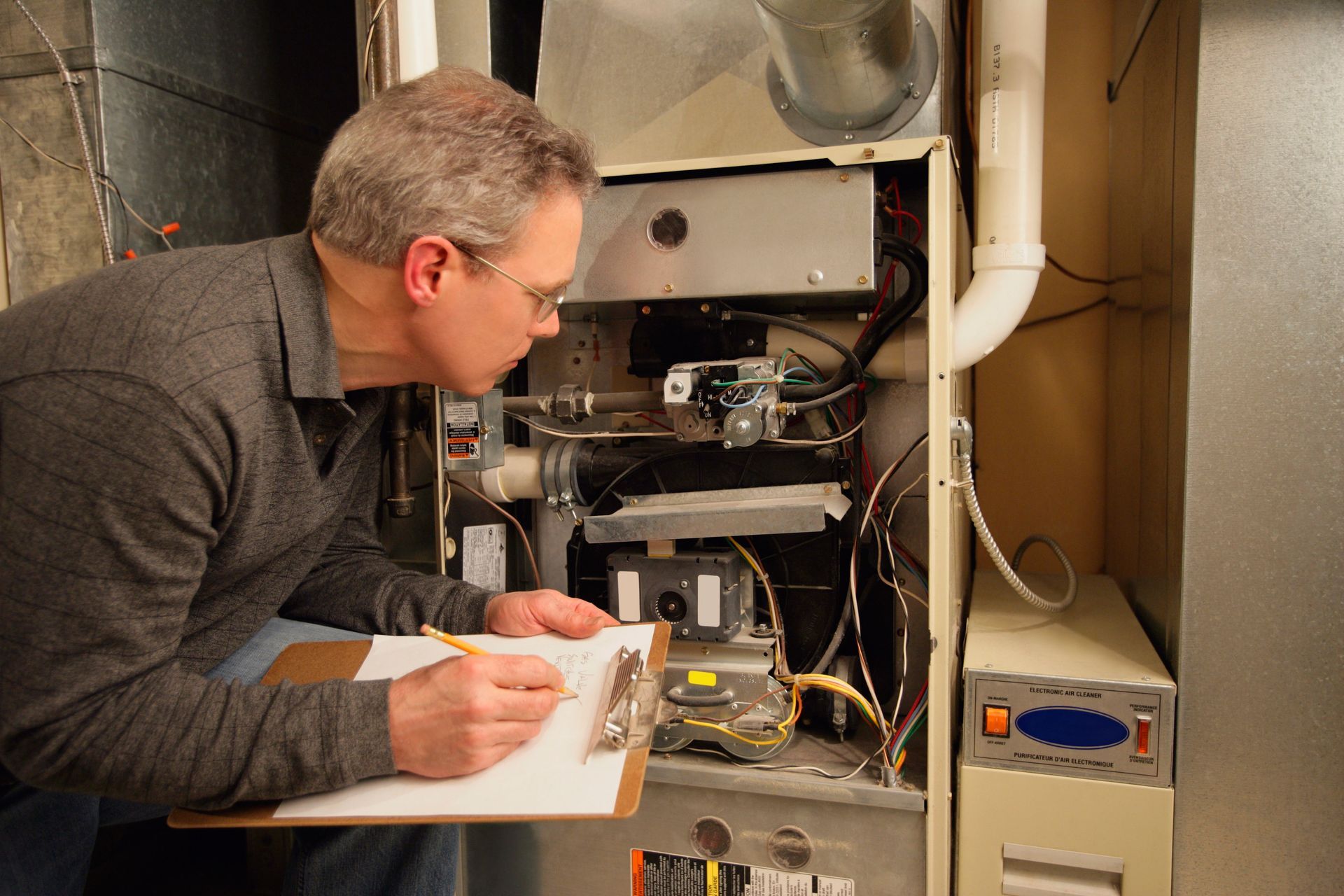
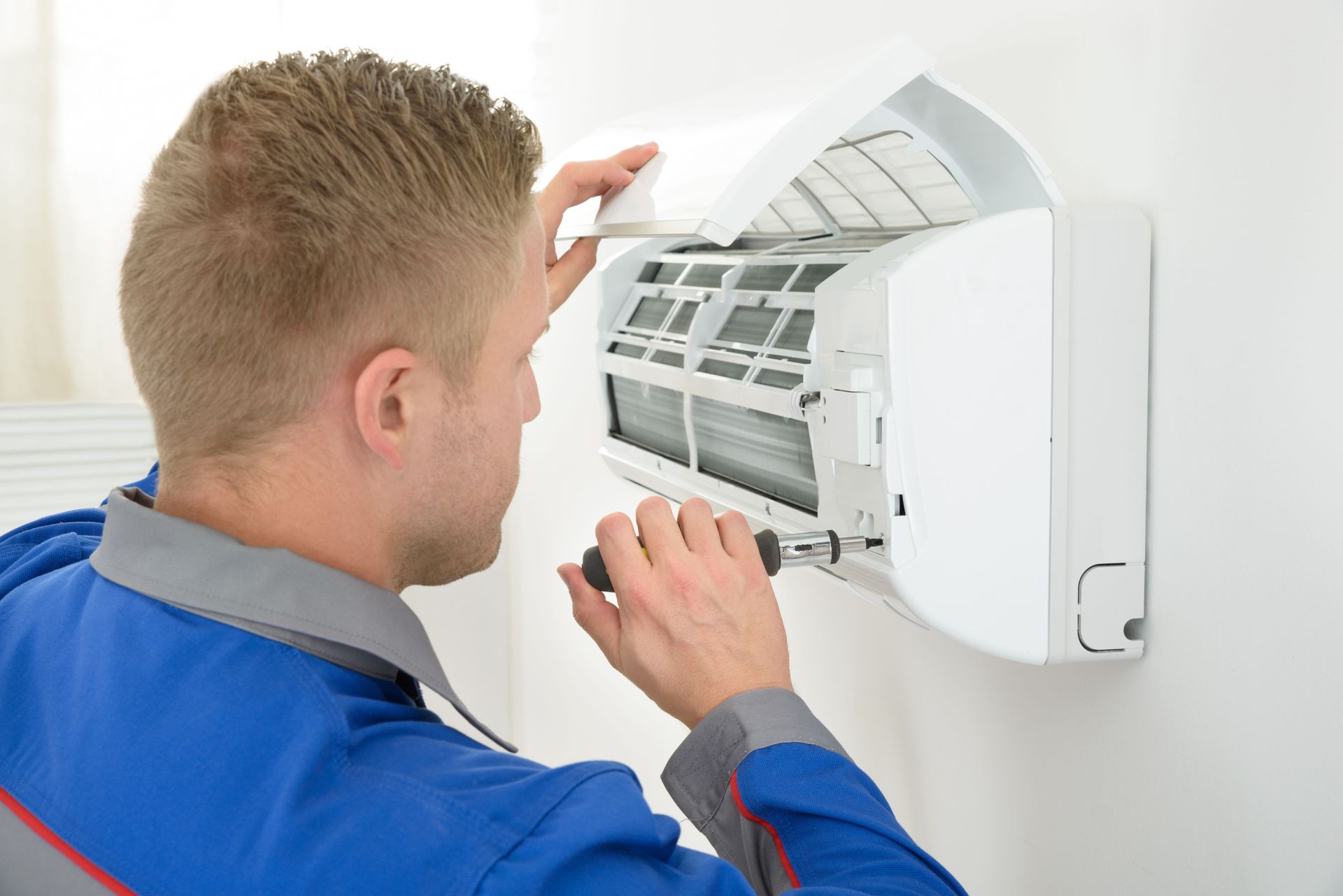
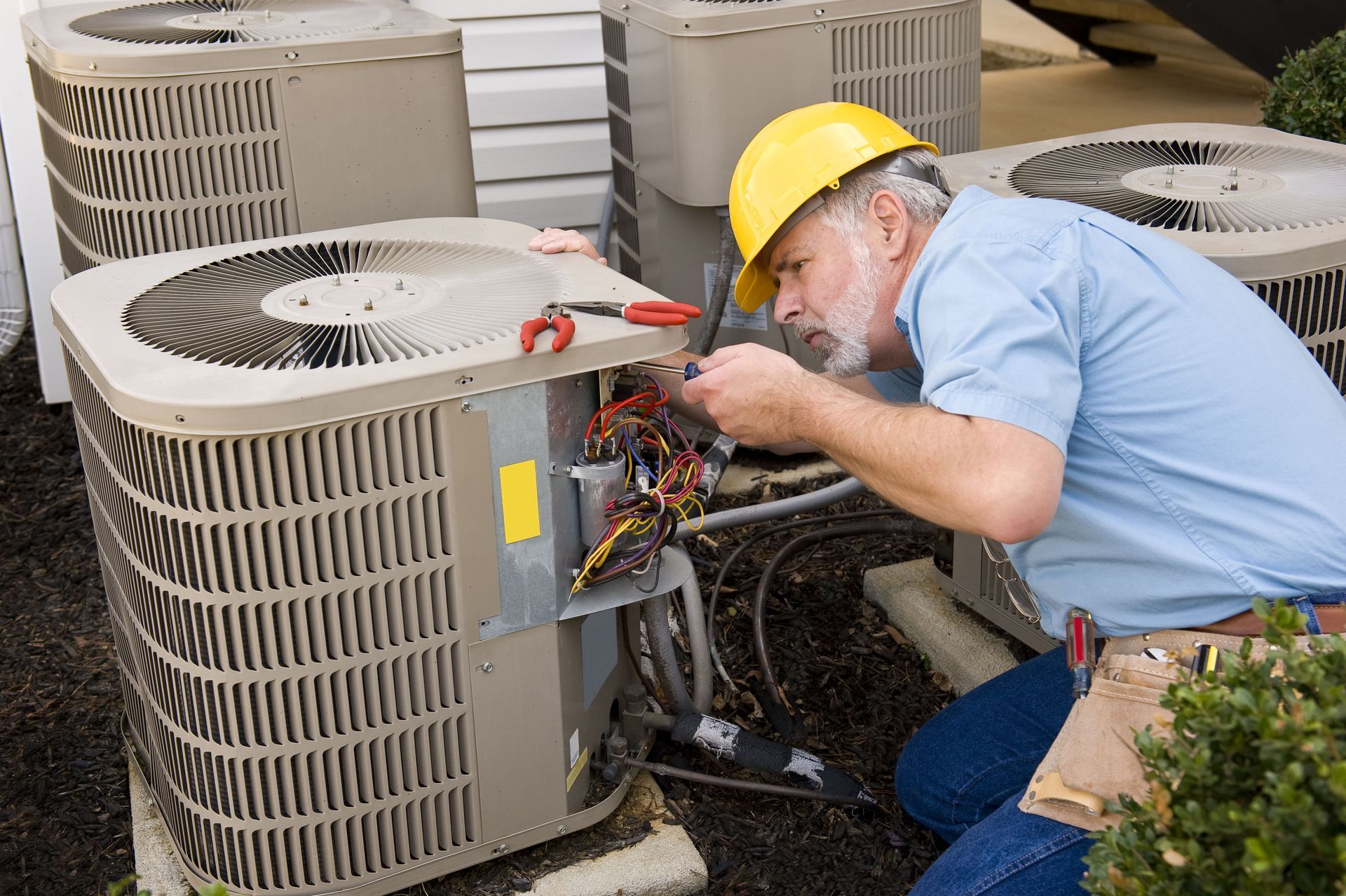
Regular maintenance remains one of the most valuable HVAC repairs for protecting your system and minimizing long-term costs. During scheduled inspections, technicians test key components, check for wear, and confirm that airflow and mechanical performance stay within ideal ranges. A consistent maintenance schedule reduces the likelihood of sudden, high-cost failures while helping your system operate more smoothly through every season.
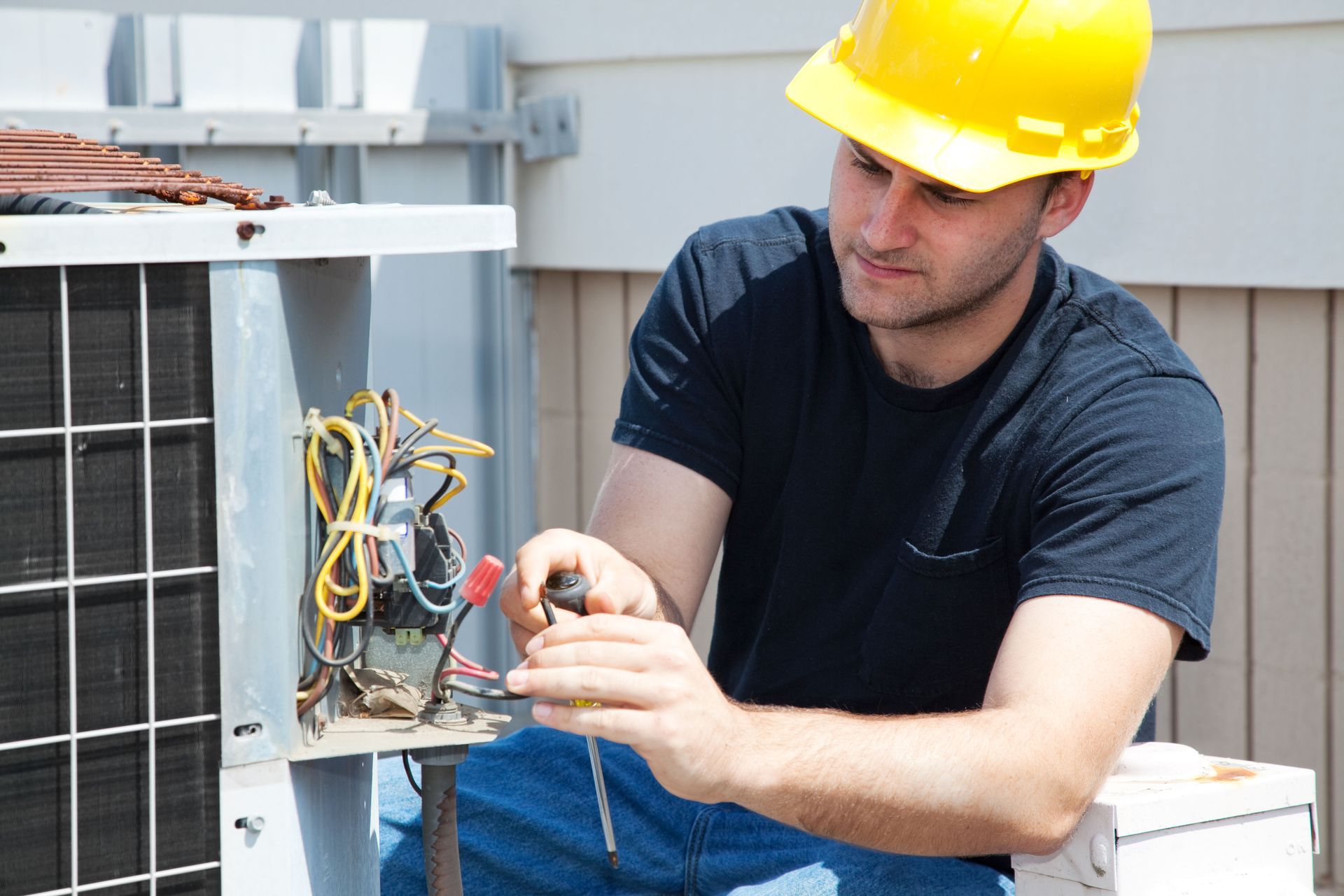
Seasonal tune-ups deliver additional advantages by preparing your unit for temperature shifts before they arrive. These tune-ups involve cleaning vital components, tightening electrical connections, and ensuring the system is calibrated for maximum efficiency. When maintenance and tune-ups work together, your system experiences less strain, supporting a longer lifespan and fewer surprise expenses.
Another benefit of consistent maintenance is improved indoor comfort and system reliability during extreme weather. When your HVAC system performs predictably, it ensures steadier temperatures and reduces frustrating fluctuations from overworked components. These small yet meaningful improvements collectively contribute to a more comfortable home and ongoing financial savings.
2. Replace Air Filters Consistently
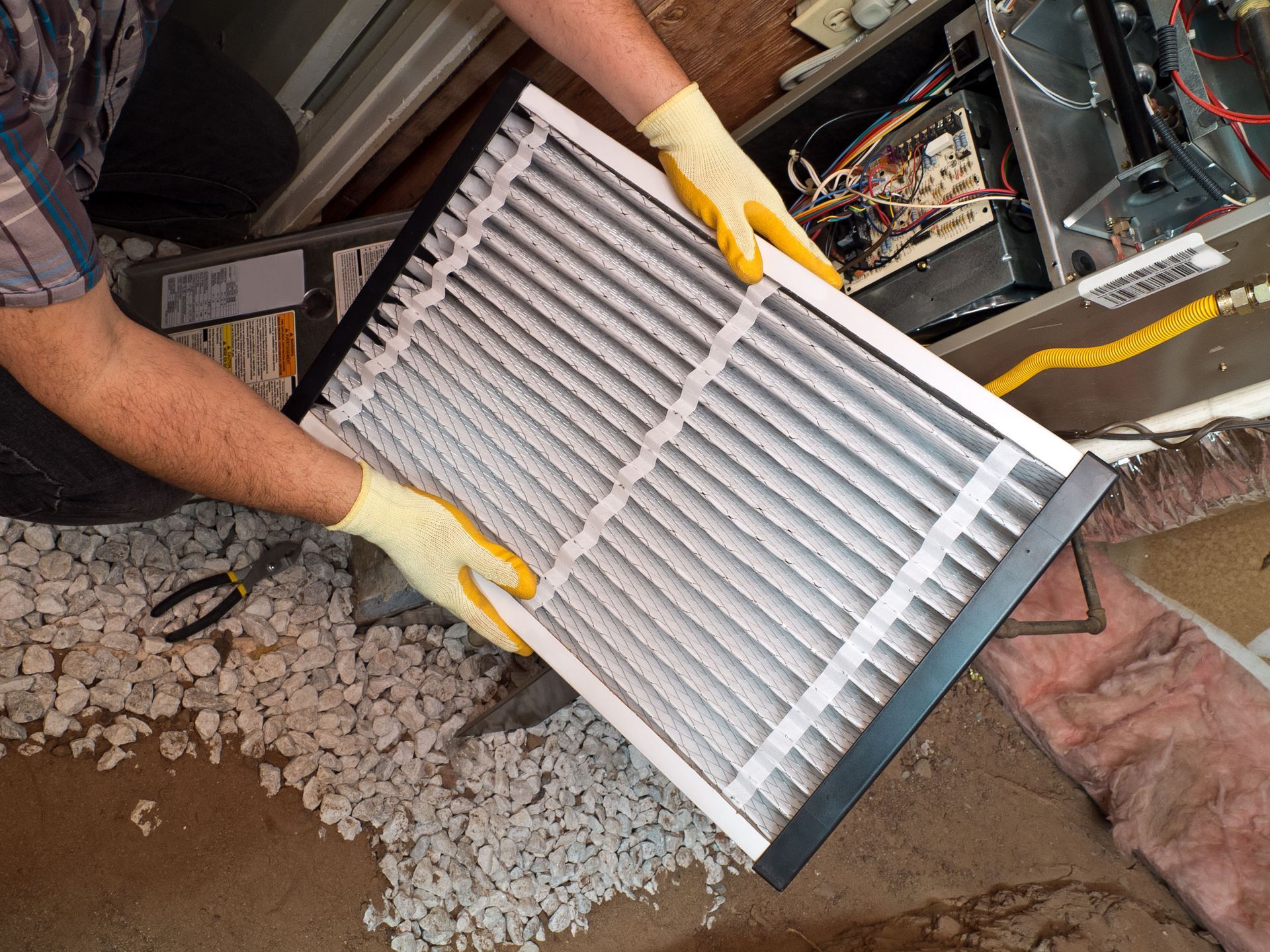
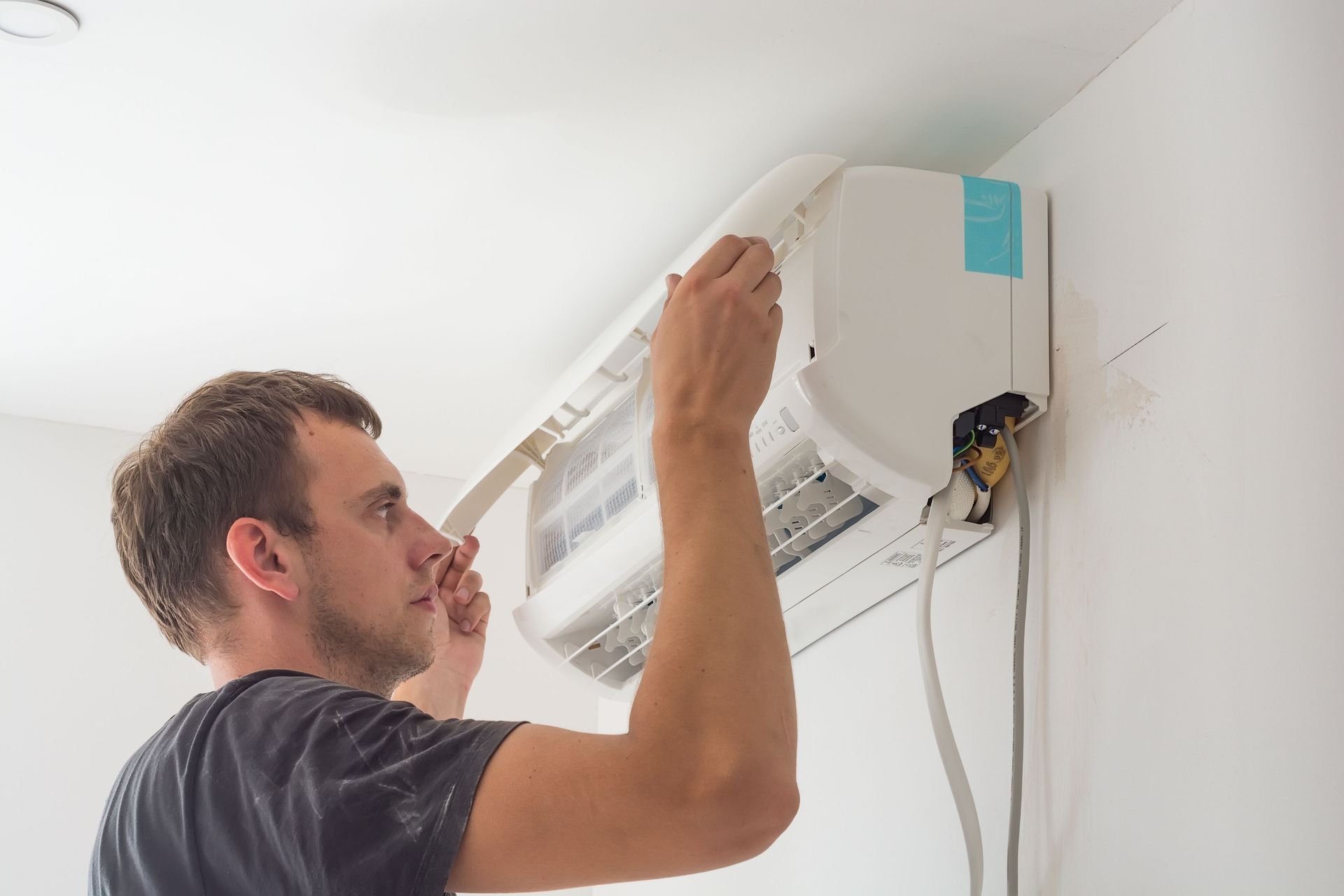
Air filter replacement is one of the most straightforward HVAC repairs, yet it makes a dramatic difference in cost control. Dirty or clogged filters force your system to work harder, restricting airflow and reducing efficiency. Replacing filters routinely helps prevent this strain and keeps your energy use more predictable, allowing your system to maintain ideal temperatures without unnecessary effort.
Clean filters also support healthier indoor conditions. By trapping dust, pollen, and other particles, fresh filters help maintain better air quality while preventing these contaminants from circulating throughout your home. This simple repair task offers dual benefits: a cleaner indoor environment and a significantly more efficient HVAC system.
In addition, consistent filter replacements reduce the risk of mechanical issues triggered by poor airflow. When airflow is obstructed, key components such as blowers and coils experience added stress, increasing the likelihood of costly repairs. Maintaining clean filters minimizes wear on these parts and helps preserve your system’s lifespan.
3. Upgrade Thermostats for Better Control
Thermostat upgrades represent another category of HVAC repairs that can create long-term savings. Modern smart thermostats allow for precise scheduling and remote access, ensuring your system only uses energy when needed. These devices “learn” your routines, adjusting heating and cooling patterns automatically to reduce unnecessary operation and help lower monthly utility costs.
Newer thermostats also integrate with broader home systems, creating more intuitive energy management. If your home automation system senses you’ve left the house, it can work with the thermostat to adjust temperatures accordingly. This type of intelligent control prevents energy waste and limits the workload placed on your HVAC equipment.
Another advantage of upgrading your thermostat is gaining access to performance insights that help you spot issues early. Many modern models provide system alerts, efficiency reports, or reminders for basic HVAC repairs, helping you address small problems before they become expensive ones. This added visibility supports both convenience and long-term savings.
4. Repair and Seal Ductwork
Damaged or leaking ductwork can cause a significant loss of conditioned air before it ever reaches your living spaces. Even small gaps or loose fittings force your HVAC system to run longer cycles, which increases energy consumption and creates noticeable temperature inconsistencies from room to room. When ducts aren’t sealed properly, the system simply can’t perform at its full potential.
A detailed duct inspection can uncover hidden issues such as disconnected sections, deteriorated insulation, or worn-out sealant around joints. Many of these problems develop gradually and go unnoticed until efficiency drops or airflow becomes weaker. Identifying these trouble spots early helps prevent strain on your HVAC system and supports better temperature distribution throughout the home.
Repairing and sealing ductwork with quality materials—such as mastic sealant, foil-backed tape, or rigid insulation—helps reduce air leakage and stabilize airflow. A properly sealed system keeps more conditioned air inside the ducts, improves indoor comfort, and reduces energy waste. Over time, these improvements add up to lower utility costs, a more reliable HVAC system, and a healthier indoor environment thanks to fewer contaminants entering through unsealed gaps.
5. Address Compressor Issues Promptly
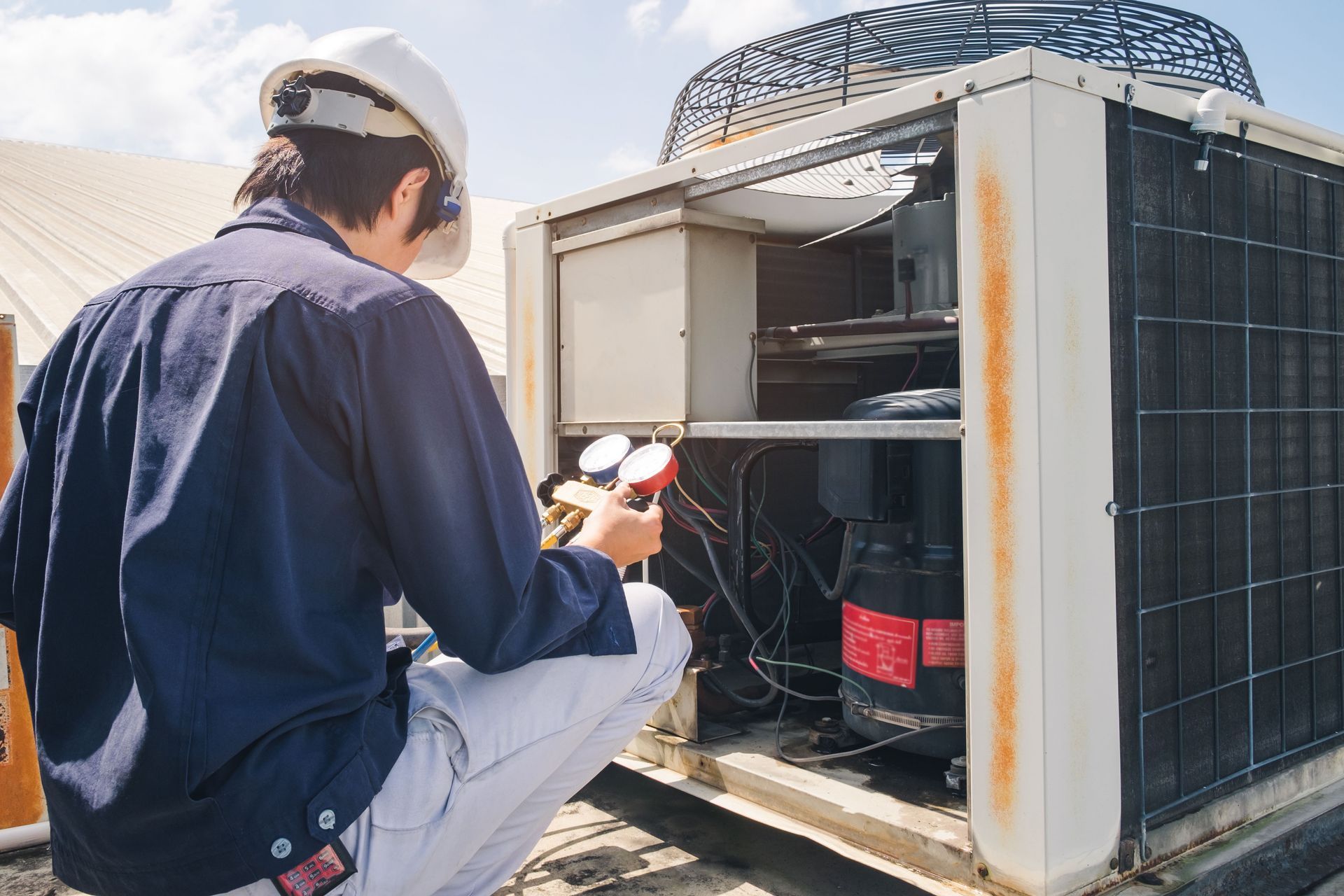
Compressor-related HVAC repairs are critical because the compressor acts as the core driver of cooling performance. When it begins to fail, symptoms such as loud noises, reduced cooling capacity, or rising utility bills often appear. Addressing these signs early prevents more extensive damage to the system. Because compressor failures can compromise the entire unit, timely repairs can save homeowners from needing full-system replacement sooner than necessary.
Regular inspections help ensure the compressor stays in good working condition. Technicians examine refrigerant levels, electrical connections, and mechanical components to catch problems before they escalate. When repairs are made promptly, the compressor operates more efficiently, helping maintain consistent temperatures and more manageable energy bills.
In addition to early detection, proper compressor care reduces the likelihood of widespread damage caused by overheating or excessive pressure buildup. When a compressor runs under ideal conditions, it supports smoother system operation and lowers the risk of adjacent component failures. This reinforces both system stability and long-term cost savings.
6. Improve Insulation and Sealing
Insulation and sealing upgrades complement HVAC repairs by protecting the efficiency gains you make through equipment maintenance. Poor insulation allows heated or cooled air to escape, forcing your HVAC system to work harder to maintain consistent temperatures. Strengthening insulation helps regulate indoor conditions naturally, reducing the system’s workload and extending its lifespan.
Sealing gaps around windows, doors, and structural seams also prevents unwanted drafts and heat transfer. This minimizes the strain placed on your HVAC system and reduces energy waste. Whether you choose to tackle small sealing tasks yourself or bring in professionals for larger projects, improving insulation and sealing offers reliable, ongoing savings.
Together, insulation and sealing improvements support year-round comfort by stabilizing indoor temperatures and reducing reliance on the HVAC system. With less temperature fluctuation, your system requires fewer cycles to maintain comfort, further reducing long-term wear. This combination of improvements creates a more efficient home environment with measurable financial benefits.
Proactive HVAC repairs—and the complementary improvements that support them—offer long-term financial protection by reducing energy waste, preventing major breakdowns, and extending equipment lifespan. Strategic steps such as replacing filters, sealing ducts, upgrading thermostats, improving insulation, and addressing compressor issues all work together to keep your system performing at its best. According to IBISWorld, the number of HVAC contractors in the U.S. reached 111,849 in 2023, reflecting growing recognition of how important proper HVAC care has become. By choosing consistent maintenance and timely repairs, homeowners can enjoy steady comfort, fewer emergencies, and meaningful savings over the years—and we invite you to reach out to us at Supreme Heating & Air Conditioning so we can help you achieve dependable performance and long-term value.

Share On: