

The Importance of HVAC Repairs
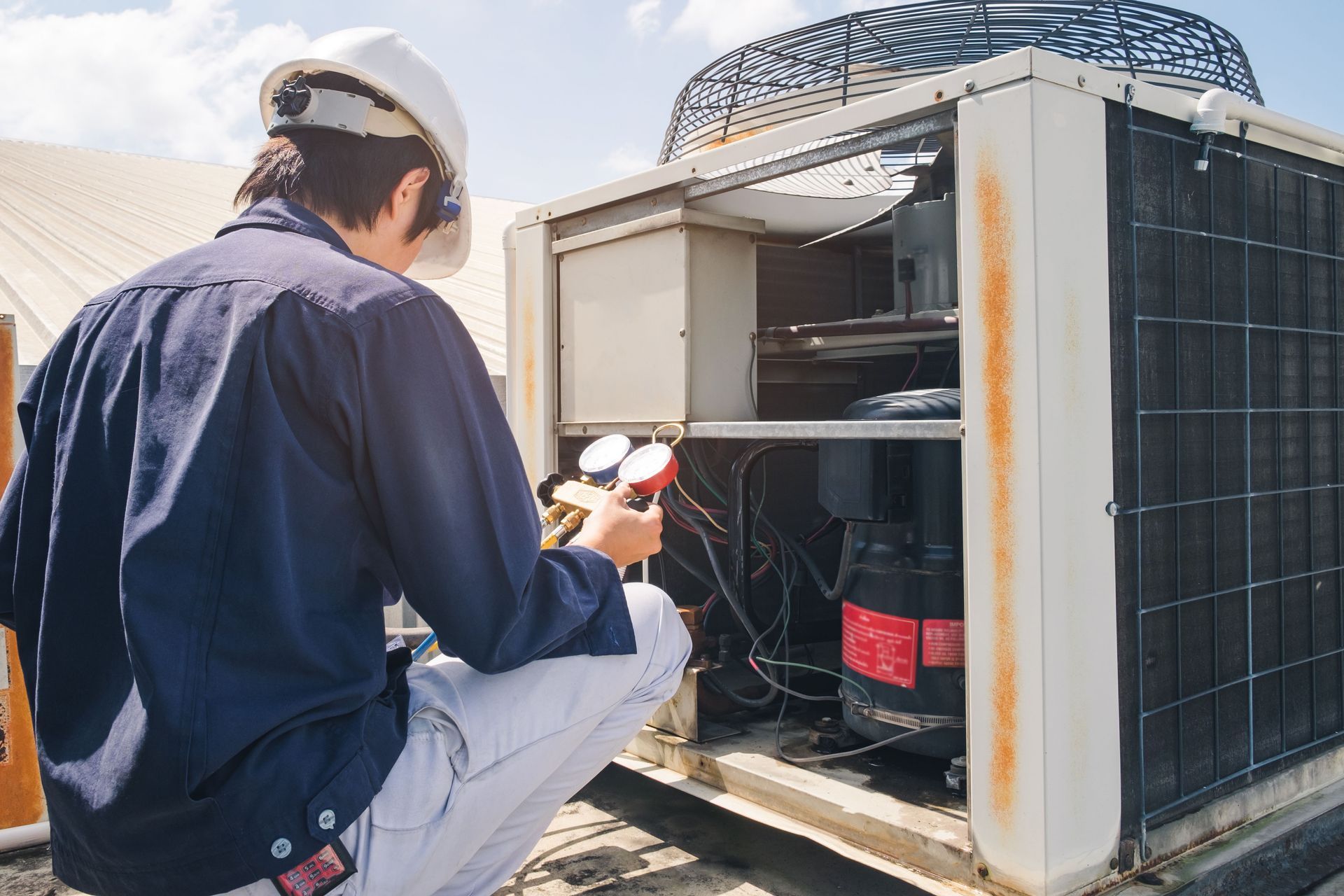
HVAC systems, encompassing heating, ventilation, and air conditioning, are essential for maintaining comfort in both homes and businesses. Their role extends beyond comfort, influencing energy efficiency and indoor air quality. Regular repairs and maintenance ensure these systems operate optimally, preventing disruptions in service. By maintaining these systems, homeowners and businesses can avoid high energy costs and potential health risks. This article delves into the reasons why HVAC repairs are crucial for economic, environmental, and health perspectives.
Understanding HVAC Systems
Components of HVAC Systems
HVAC systems are composed of several key components, each playing a distinct role in temperature regulation. These include the furnace or heating system, which generates warmth during cold periods, and the air conditioner for cooling. Ventilation components, such as ducts and vents, distribute air throughout the building. Additionally, heat exchangers, evaporator coils, and condensing units are integral for efficient heat transfer. Regular maintenance of these components ensures smooth operation and minimizes wear and tear.
Common Types of HVAC Systems
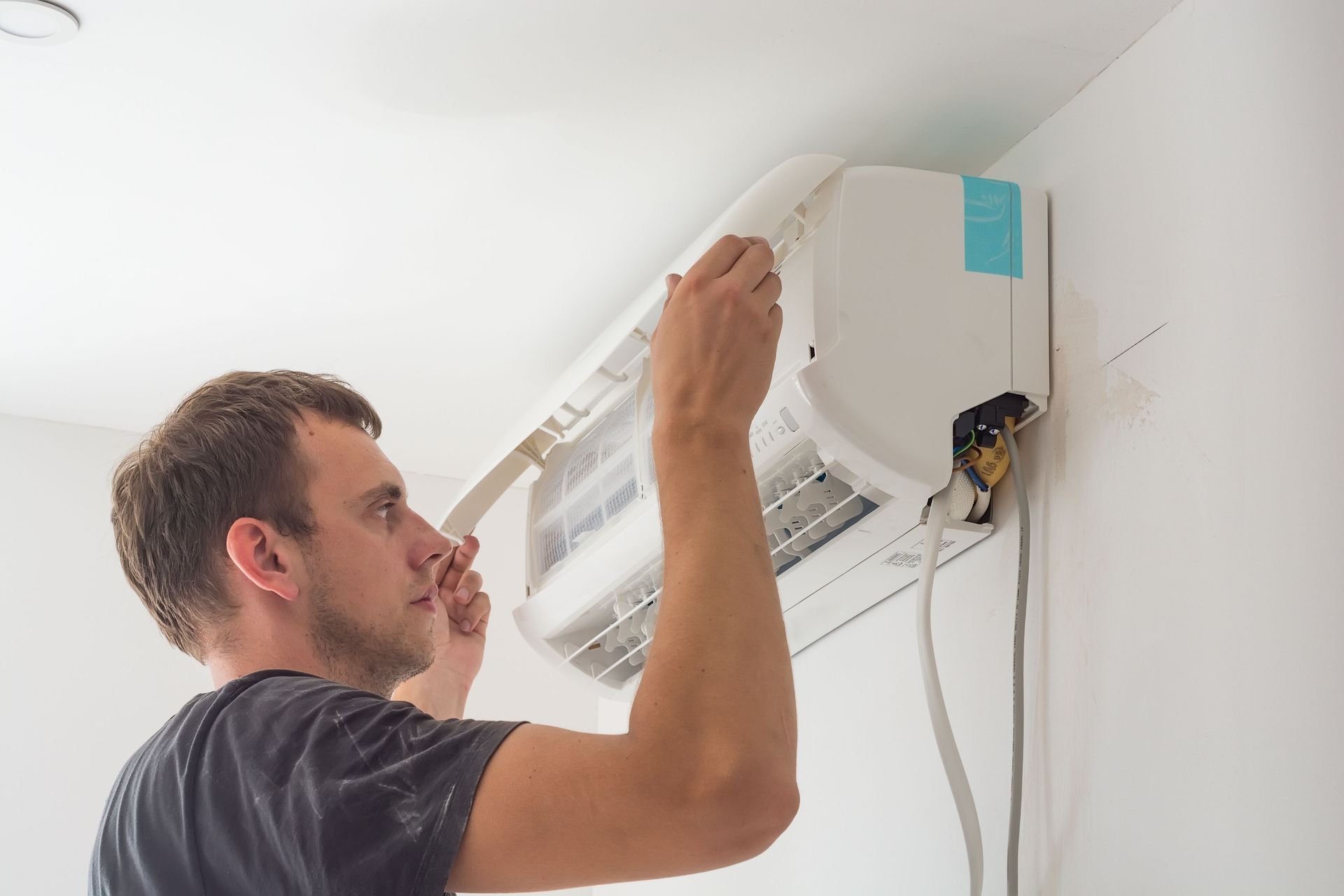
Different types of HVAC systems cater to varied climatic and spatial needs. Central AC systems offer uniform cooling across large areas, while ductless systems, also known as mini-split systems, provide targeted temperature control. Heat pumps are efficient alternatives suitable for moderate climates, offering both heating and cooling options. Each type has unique advantages; understanding these can help in making informed decisions about installation and repairs. Proper selection and maintenance of these systems enhance their efficiency and longevity.
How HVAC Systems Work
An HVAC system works by regulating air temperature and quality through heating and cooling cycles. In the cooling cycle, the evaporator coil absorbs heat from indoor air, which is then expelled outside via the condenser coil. Conversely, in the heating cycle, heat is generated and distributed indoors. Thermostats play a crucial role by maintaining set temperature levels, prompting HVAC systems to activate or deactivate as needed. Consistent oversight and repair of this process can maximize the efficiency of energy consumption.
The Role of Thermostats in HVAC Systems
Thermostats are the brains of HVAC systems, dictating when and how they operate. They ensure optimal energy consumption by activating the system only when temperature deviations occur. Smart thermostats add an additional layer of efficiency by learning from user behavior and adjusting settings accordingly. Regular calibration and repairs of thermostats are vital for preventing energy waste and maintaining desired comfort levels. By understanding their role, users can better appreciate their impact on energy savings.
Signs of HVAC System Malfunction
Common signs that an HVAC system may require attention include unusual noises, such as banging or clanking, which often indicate loose components. Another sign could be inconsistent temperatures, with certain areas feeling significantly warmer or cooler than others. An unusual spike in energy bills might also suggest inefficiency due to a system malfunction. Leaks, strange odors, or frequently tripped circuit breakers are additional red flags. Addressing these issues proactively through repairs can avert further damage and expense.
The Economic Benefits of Timely HVAC Repairs
Reduced Energy Bills
Regular HVAC maintenance is an effective strategy for reducing energy consumption and utility bills. When systems operate efficiently, they consume less energy to achieve the desired temperature. Routine inspections and repairs can eliminate inefficiencies, saving substantial costs over time. Many homeowners have realized significant savings through regular maintenance, making it a sound economic investment. In fact, some estimate that efficient systems may reduce energy bills by up to 30%.
Extended System Lifespan
Timely repairs not only enhance system efficiency but also extend the lifespan of HVAC units. Components free of wear and tear can perform optimally without overworking, reducing the likelihood of system failure. Routine checks and repairs can double the longevity of some HVAC systems, providing long-term savings. Investing in regular repairs is beneficial compared to costly replacements prompted by neglect. Maintaining a schedule for repairs and inspections ensures the system remains operational for years.
Avoiding Major Repair Costs
Minor issues identified and rectified early can prevent extensive damage and costly repairs. Addressing small problems despite their perceived triviality can mitigate severe, expensive breakdowns. Neglected systems often culminate in failures, incurring higher repair costs or the need for replacement, both of which are significantly more expensive than routine upkeep. Homeowners can safeguard against these expenses by remaining vigilant and responsive to their system's condition. Proactive maintenance proves more cost-effective than reactive repairs.
Value Addition to Property
A well-maintained HVAC system adds considerable value to property, appealing to potential buyers and tenants. Prospective homeowners often prioritize homes with efficient and reliable systems, which enhances their marketability. Property assessments that reveal outdated or malfunctioning HVAC systems might lead to decreased offers. Conversely, a robust maintenance record signifies less future investment for buyers, promoting higher property valuations. In real estate, HVAC condition is a crucial factor influencing buyer decisions.
Cost-Effective Maintenance Plans
Many HVAC service providers offer maintenance plans that spread repair costs over a structured period. These plans bundle regular inspections, cleaning, and minor repairs into an affordable package. By spreading out costs and ensuring consistent care, these plans present economical solutions for maintaining system efficiency. Contracting a reliable service is a strategic move, reducing the risk of unexpected expenses and prolonging HVAC performance. Furthermore, with 167,717 registered HVAC contractor companies operating in the United States according to Orbital, finding a suitable service provider is accessible and competitive.
Improving Indoor Air Quality through HVAC Repairs
Identifying Indoor Pollutants
Indoor pollutants, including dust, pollen, mold spores, and volatile organic compounds (VOCs), pose health risks to occupants. HVAC systems, when functioning properly, can mitigate the concentration of these pollutants by ensuring adequate ventilation. Regular cleaning and repairs prevent the accumulation of dust and allergens within the system's components. An efficient system filters and purifies air, enhancing indoor air quality significantly. Tackling indoor pollution requires a proactive approach to HVAC maintenance.
The Role of Filters and Air Quality Enhancements
Filters are essential for maintaining high indoor air quality, capturing a host of pollutants that enter homes and businesses. Various filter types, including HEPA, activated carbon, and ultraviolet filters, are designed to address specific challenges. Regular replacement and inspection of filters ensure they perform effectively. Enhanced air quality features like air purifiers can complement filters, purifying air further. Incorporating advanced filtration and purification in HVAC systems garners notable health benefits.
Humidity Control and Comfort
Humidity control is a vital aspect of HVAC system function, impacting comfort and air quality. HVAC systems regulate interior humidity, maintaining it within optimal levels that deter mold growth and respiratory issues. Repairs addressing dehumidifier function can optimize this balance, influencing occupant well-being positively. Discomfort from excess humidity underscores the importance of functional and calibrated HVAC systems. Ongoing monitoring and timely interventions ensure centered humidity levels, safeguarding health.
Preventing Mold and Mildew Growth
Mold and mildew thrive in environments where moisture is prevalent and ventilation is poor. HVAC systems that are not properly maintained can exacerbate conditions conducive to mold growth. Regular inspections can catch issues early on, preventing mold establishment in ducts and system components. In resolving ventilation and humidity issues, HVAC repairs provide effective strategies for mitigating mold risks. Mold prevention minimizes health risks and enhances overall indoor air quality.
The Health Benefits of Clean Air
High indoor air quality supported by efficient HVAC systems contributes to improved health outcomes. Clean air reduces respiratory infections, allergies, and chronic conditions such as asthma. Eliminating pollutants ensures that the air remains fresh and lessens the risk of airborne illness transmission. Regular system maintenance is key to sustaining these health benefits, offering a protective environment for occupants. Ultimately, investing in HVAC repairs translates into prioritizing the health of households and businesses.
HVAC repairs play an undeniably crucial role in maintaining system efficiency, reducing energy costs, and improving indoor air quality. Economic benefits include lower utility bills, extended system lifespans, and value addition to properties. Environmental gains, coupled with health improvements from enhanced air quality, underscore the sustainability impact of well-maintained HVAC systems. Professional services offer expertise that ensures reliable and effective repairs, contrasting with the potential pitfalls of DIY attempts. Investing in regular maintenance is essential for achieving long-term savings, enhancing comfort, and encouraging environmental responsibility. Reach out to Supreme Heating & Air Conditioning today to see how we can help you!

Share On: