

Why Annual HVAC Inspections Are Worth It
Heating and cooling systems play a central role in maintaining comfort, air quality, and energy efficiency in residential and commercial spaces. When they are neglected, performance often declines in subtle ways that lead to higher utility costs and inconsistent indoor temperatures. Over time, these small inefficiencies can escalate into major repair needs, including situations where a replacement becomes a realistic outcome rather than a planned upgrade. Annual inspections help prevent these issues by ensuring systems are evaluated, cleaned, and adjusted before problems grow. This article explains the practical value of routine HVAC inspections across performance, durability, air quality, cost control, and long-term reliability.
Improving Efficiency and Performance
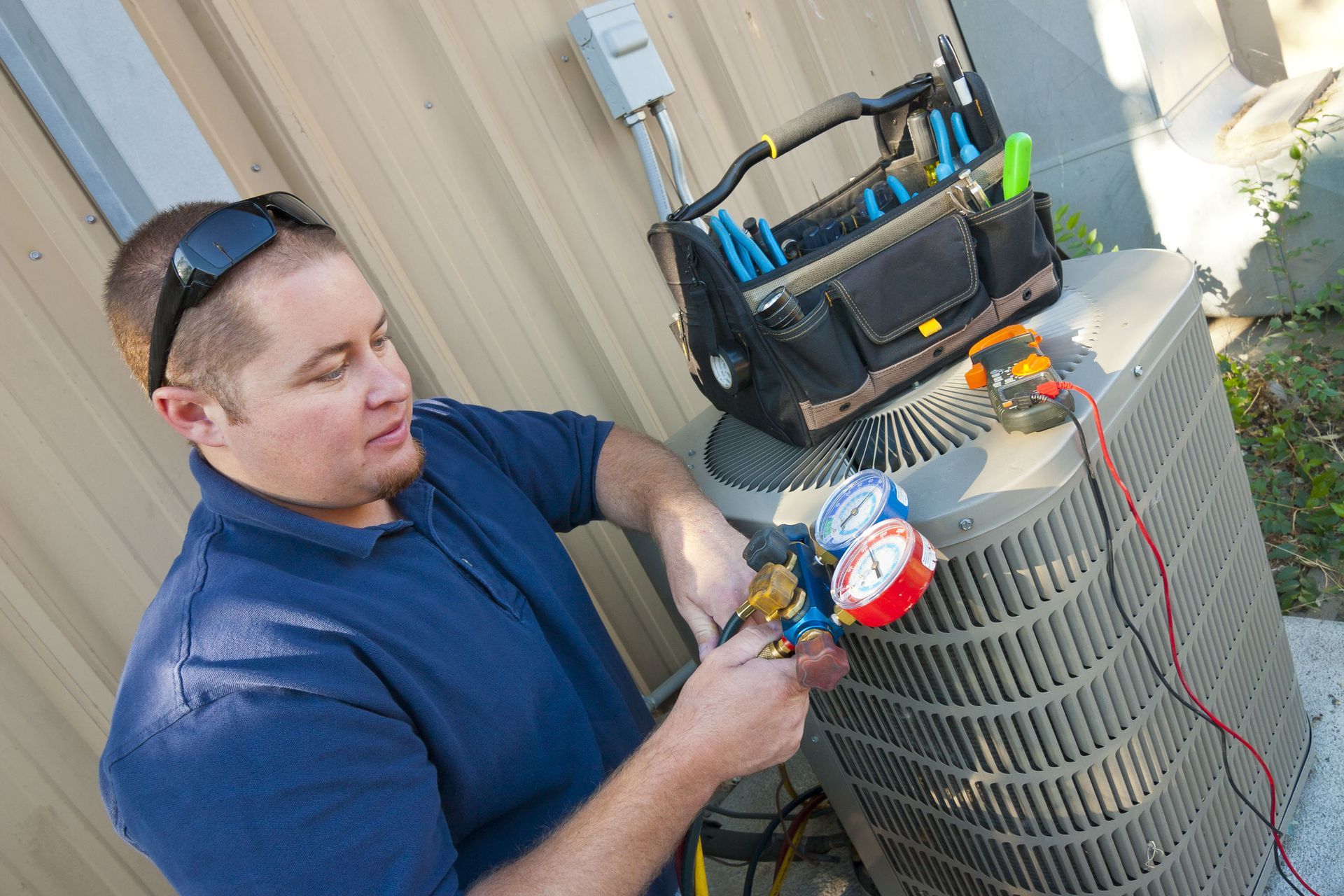
Regular HVAC inspections are one of the most effective ways to maintain system efficiency throughout the year. Technicians evaluate airflow, thermostat accuracy, and component function to identify performance gaps that often go unnoticed by homeowners. Small issues such as restricted airflow or worn components can increase energy usage without obvious warning signs. Over time, these inefficiencies can even contribute to early furnace replacement if the system is forced to operate under continuous strain.
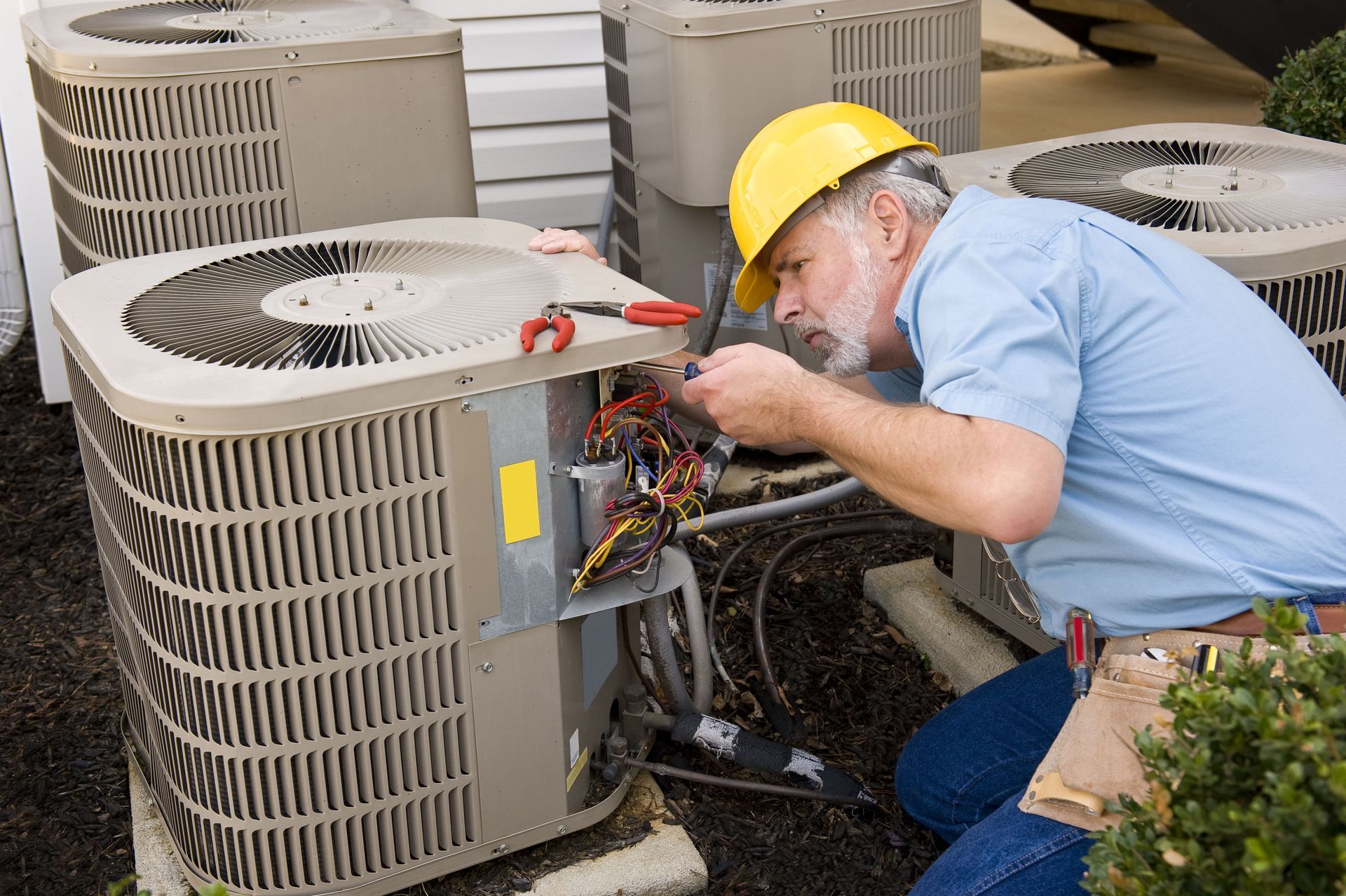
System optimization also involves recalibrating settings and ensuring all parts work together correctly. This includes checking refrigerant levels, tightening electrical connections, and cleaning internal components that affect output. When everything is properly aligned, the system requires less energy to maintain consistent indoor temperatures. That balance not only improves comfort but also reduces unnecessary wear that can shorten system life.
Energy savings are another direct outcome of improved performance. A well-maintained HVAC system operates more smoothly, which helps stabilize monthly utility costs. This is especially important in regions with extreme seasonal temperature changes where systems run frequently. Consistent inspections ensure performance does not gradually decline between service visits.
Extending Equipment Life
Extending the lifespan of HVAC equipment depends heavily on preventive maintenance and early issue detection. Annual inspections allow technicians to identify worn components before they fail completely. Parts such as belts, motors, and coils are checked for stress and degradation. Without this level of care, homeowners may eventually face unexpected breakdowns that accelerate replacement decisions.
Routine servicing also reduces long-term strain on the system. Cleaning coils, lubricating moving parts, and adjusting mechanical components help maintain smooth operation. These small tasks significantly reduce friction and overheating risks that contribute to premature failure. Over time, this proactive care extends equipment life and improves overall reliability.
Manufacturer recommendations also play a key role in system longevity. Most HVAC systems are designed with routine maintenance schedules in mind, and following these guidelines helps preserve warranties and performance standards. When ignored, systems tend to degrade faster and become less efficient. In some cases, deferred maintenance can lead directly to costly replacements long before the expected lifespan.
Improving Air Quality and Awareness
Indoor air quality is closely tied to HVAC system condition, especially in homes where systems run year-round. Filters, ducts, and airflow pathways must remain clean to prevent contaminants from circulating through living spaces. Regular inspections ensure these components are functioning correctly and not contributing to dust buildup or pollutant spread. This becomes especially important in homes where furnace replacement is being delayed despite declining system performance.
According to WorkYard, 86% of homeowners lack detailed knowledge of HVAC components, which highlights how easily small issues can go unnoticed. Because of this gap, professional inspections play a critical role in identifying problems that are not visible or easily understood. Technicians are trained to recognize early warning signs that most homeowners would miss. This level of insight helps maintain healthier indoor environments.
Clean filters are a major factor in maintaining air quality. When filters become clogged, airflow is restricted and pollutants are more likely to circulate. Inspections ensure filters are replaced or cleaned on time, which supports healthier breathing conditions indoors. Ductwork is also checked for buildup that could compromise system efficiency and cleanliness.
Improving Reliability and Reducing Breakdowns
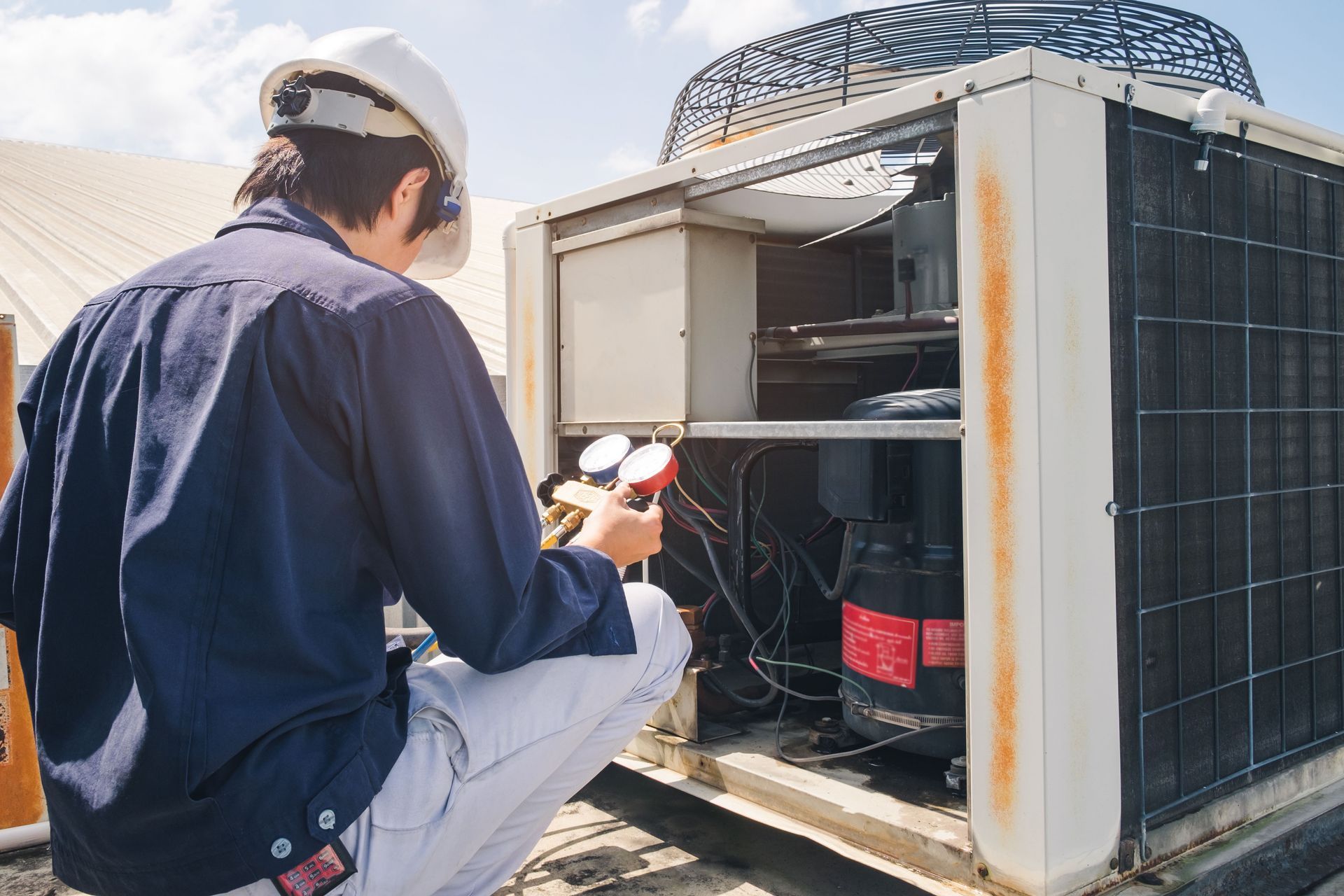
System reliability improves significantly when HVAC systems receive consistent annual inspections. Preventive checks reduce the likelihood of sudden failures by identifying weak points before they escalate. This includes electrical issues, refrigerant leaks, and mechanical wear that could otherwise result in emergency repairs. Left unaddressed, these problems can eventually lead to furnace replacement in older or overworked systems.
Breakdown frequency is strongly influenced by maintenance habits. Systems that are inspected regularly tend to operate more predictably and experience fewer interruptions. This is especially important during peak heating and cooling seasons when system demand is highest. Reliable operation ensures consistent comfort without unexpected disruptions.
Seasonal preparation also plays a key role in reliability. Technicians verify that systems are ready to handle temperature extremes before they occur. This reduces the risk of failure during high-demand periods when repairs are more costly and inconvenient. Proper preparation helps maintain stability throughout the year.
Reducing Costs and Furnace Replacement Risk
One of the most significant benefits of annual HVAC inspections is cost control. Preventive maintenance helps reduce the likelihood of emergency repairs, which are typically more expensive than routine service visits. Small issues are identified early before they develop into larger mechanical failures, helping extend system life and delay furnace replacement. This proactive approach supports long-term usability while keeping repair needs manageable.
Repair versus replacement decisions are heavily influenced by system condition and maintenance history. When inspections are neglected, minor issues accumulate and can lead to costly financial decisions, including earlier furnace replacement. In contrast, well-maintained systems tend to run more efficiently, require fewer repairs, and maintain performance over time, resulting in substantial long-term savings. Energy efficiency also plays a key role, as poorly maintained systems consume more energy and increase monthly utility costs. Regular inspections correct these inefficiencies, reduce operating expenses, and help prevent unexpected system failure, supporting more predictable financial planning.
Strengthening Seasonal Readiness
Seasonal changes place different demands on HVAC systems, making preparedness essential for reliable operation. Annual inspections ensure systems are adjusted before temperature shifts occur, reducing the risk of breakdowns during extreme weather when performance matters most. Proper preparation also helps reduce strain on aging equipment and can delay early furnace replacement by keeping the system operating within safe limits.
Technicians evaluate heating and cooling performance ahead of seasonal transitions by checking airflow, heating elements, and overall system responsiveness. When systems are properly prepared, they operate more efficiently under pressure and maintain more consistent indoor comfort during periods of heavy use. This proactive servicing helps ensure the system is ready to handle seasonal demand without unnecessary strain or inefficiency.
Improving Comfort and Peace
Comfort is one of the most noticeable benefits of consistent HVAC maintenance. When systems are properly maintained, indoor temperatures remain stable and predictable. This reduces hot and cold spots that often occur in poorly maintained systems. It also minimizes the likelihood of sudden breakdowns that could lead to furnace replacement decisions during inconvenient times.
Homeowners often gain peace of mind knowing their system is functioning as expected. Regular inspections reduce uncertainty by confirming that all components are operating correctly. This eliminates guesswork and allows for more confident planning around future maintenance or upgrades. It also reduces stress associated with unexpected system failures.
System awareness improves over time as homeowners become more familiar with maintenance schedules and performance expectations. Even with limited technical knowledge, routine inspections help bridge the gap between system complexity and practical understanding. This leads to more informed decisions about repairs, upgrades, and eventual replacement planning.
Annual HVAC inspections provide measurable benefits across efficiency, durability, air quality, cost control, and comfort. They help prevent unnecessary breakdowns, extend equipment lifespan, and reduce the likelihood of emergency
furnace replacement. More importantly, they create a predictable and well-managed system that supports long-term household comfort. For consistent performance and professional care, contact Supreme Heating & Air Conditioning.

Share On: